Confidentiality from the first contact
Your adviser should open with an anonymous teaser, insist on a signed NDA and release sensitive information in stages. Nobody needs to know your company's name just to show initial interest.
Selling a limited company takes preparation, discretion and an orderly process. The aim is to set several genuine buyers against each other and negotiate terms that protect the value you have spent years building. Taking the first offer that arrives rarely achieves that.
A well-prepared sale usually takes six to twelve months from appointing an adviser to completion. If the company needs its numbers tidied up or depends too heavily on you, start a year or two earlier.
Be clear about why you want to sell, by when and what matters most to you. For a first view, sector, size and approximate figures are enough. You don't need to name the company.
Build a defensible range from normalised EBITDA, net debt and comparable deals. Get monthly management accounts, contracts and any tax or legal loose ends in order before going to market, and check with your tax adviser whether you qualify for Business Asset Disposal Relief.
Compare experience of similar deals, the team, access to buyers and how each firm works. Agree scope, retainer, success fee, exclusivity and the tail period in writing.
Prepare an anonymous teaser, an information memorandum and a virtual data room. Each document gives a buyer only what they need for the stage they have reached.
Identify trade buyers, private equity houses, family offices and search funds with real fit and funding, and consider a management buy-out or an Employee Ownership Trust alongside them. You review the list and can strike off anyone before approaches begin.
First contact is made without revealing who you are. Once a buyer signs a non-disclosure agreement they receive the information memorandum and submit an indicative offer.
Compare price, structure, deferred consideration, earn-outs and the likelihood of completing. With the strongest bidder you sign heads of terms, usually with a period of exclusivity, and financial, tax, legal and commercial due diligence begins.
Negotiate the share purchase agreement, warranties and indemnities, the disclosure letter and any completion accounts or locked box mechanism. Completion, payment and your handover period should all be set out precisely.
Price matters. So do confidentiality, how much is paid on completion, the warranties you give and the real chance of the deal completing.
Your adviser should open with an anonymous teaser, insist on a signed NDA and release sensitive information in stages. Nobody needs to know your company's name just to show initial interest.
A well-run process puts several buyers against each other whenever the market allows it. Competition improves the headline price, and it also improves how much is paid at completion, the warranty package and the certainty of getting to the finish.
You approve the buyer list, decide who goes through to the next round and accept or reject offers. Your adviser prepares, searches and negotiates. The big decisions stay with you.
While the sale runs, the company still has to hit its numbers. A dip in trading during due diligence weakens your hand and is a common reason for buyers to cut their price.
Practical reading to help you prepare the company, understand each stage and make better decisions while the deal is under way.

The stages, timings and key decisions in a UK company sale.
Read the guide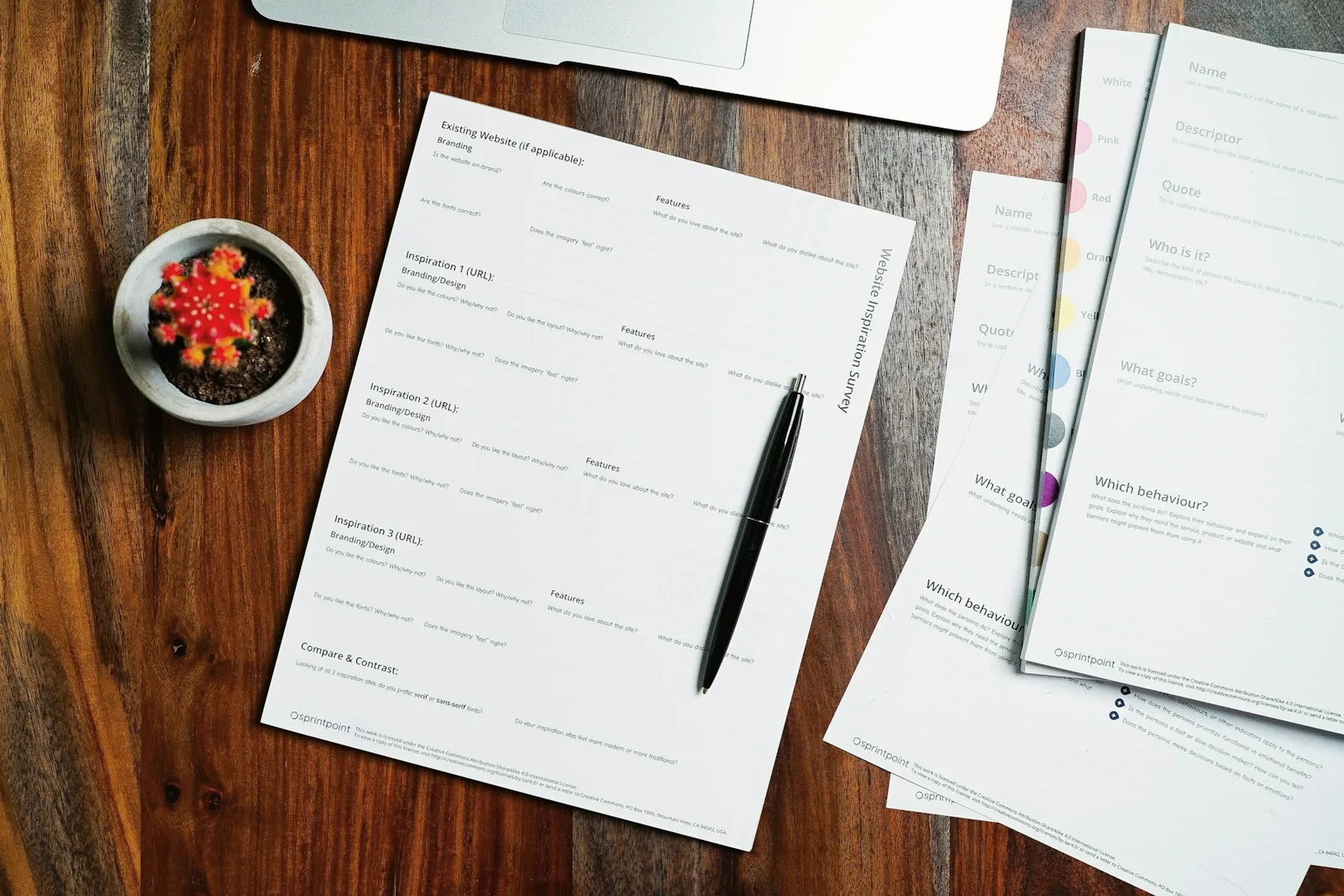
What to put in order before going to market so the price holds.
Read the guide
The paperwork worth getting in order before you talk to buyers about selling a UK company.
Read the guide
Two different documents to present the opportunity without losing confidentiality.
Read the guide
From a broad longlist to a small group of buyers with a genuine fit.
Read the guide
What buyers check and how to avoid late surprises.
Read the guide
What is agreed before due diligence and what stays open.
Read the guide
The clauses that share out price, risk and liability.
Read the guide
Twelve decisions that lower the price or cause a deal to fall over.
Read the guideYou can get a first view of value without naming your company, then decide whether to prepare for a sale or look for an adviser.